
Supreme Court Refuses CBT Mode for NEET UG 2026 Re-Test
June 2, 2026
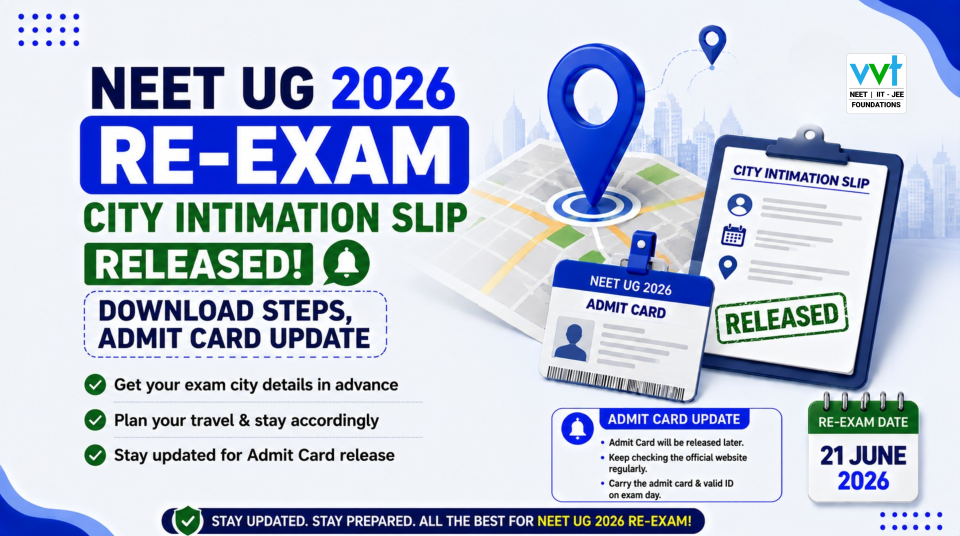
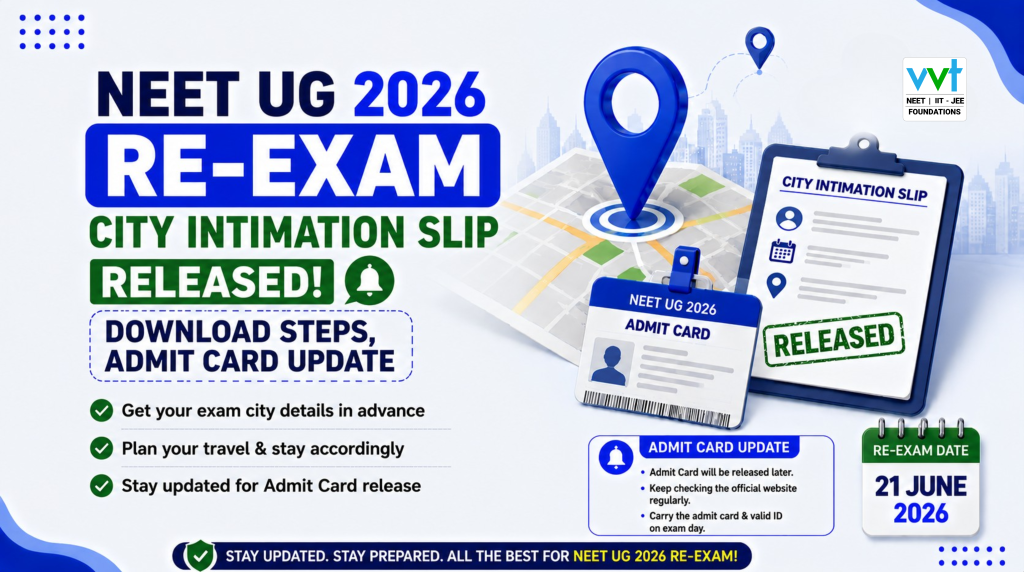
NEET Re-Exam City Intimation Slip 2026: Release Date & Latest Updates
June 4, 2026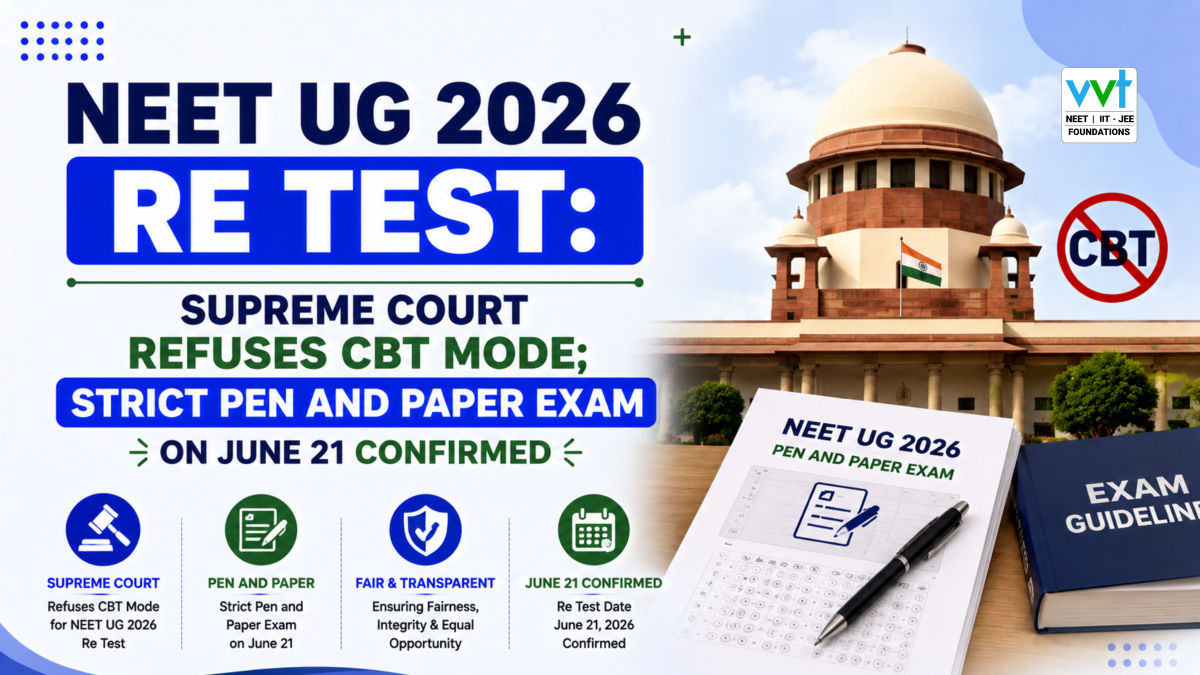
NEET UG 2026 Re Test: Supreme Court Refuses CBT Mode; Strict Pen and Paper Exam on June 21 Confirmed
VVT Coaching Chennai – Ranked #1 Best NEET & JEE Coaching Centre by Times Now!
The ongoing updates surrounding the NEET UG 2026 re-examination have understandably placed immense pressure on both students and parents. Following the extreme stress of the initial exam cancellations and the subsequent scheduling of the high stakes June 21, 2026 re-test, a wave of uncertainty surfaced. Would the National Testing Agency (NTA) suddenly shift the re-exam to an online Computer Based Test (CBT) mode?
The Supreme Court of India has officially cleared the air. In a definitive vacation bench ruling, the Supreme Court has refused to direct the NTA to conduct the June 21 re-test via CBT mode, decreeing that the emergency exam will proceed strictly in its traditional, offline pen and paper format.
For lakhs of medical aspirants across India and throughout Tamil Nadu, this verdict eliminates a massive layer of last minute confusion. There will be no digital screens, interface adjustments, or software difficulties to face this month. Your path forward is clear, halt the speculation, put away the desktop test simulators, and refocus entirely on physical OMR sheet speed drills, precision engineering, and core NCERT active recall.

What Happened? The Supreme Court Verdict on NEET CBT Mode
An urgent petition was moved before the Supreme Court vacation bench led by Justices P.S. Narasimha and Arvind Kumar seek an immediate directive to halt the traditional pen and paper format for the upcoming June 21 re-test. The petitioners argued that shifting to an encrypted, digital Computer Based Test infrastructure would mitigate security vulnerabilities, remove the physical logistics risks that led to the initial paper leaks, and protect student merit.
Why the Court Rejected the Urgent CBT Plea
The Supreme Court declined to grant the petition, emphasizing that implementing sweeping structural changes to an exam architecture just weeks before a national re-test would unleash operational chaos. The bench noted that forcing the NTA to pivot its delivery systems overnight would severely disrupt students who have spent years training on physical paper patterns. Maintaining system wide stability and preventing further psychological stress for candidates were the court’s paramount priorities.
NTA’s Official Stand: Digital Infrastructure Ready Only by 2027
In statements aligned with its ongoing judicial submissions, the National Testing Agency made it clear that while a digital evolution is on the horizon, executing a flawless, secure CBT model for millions of candidates requires massive server testing, center verification, and accessibility audits. The NTA confirmed it is actively building a secure framework to transition NEET UG to a computer based ecosystem, but this rollout is targeted specifically for the 2027 exam cycle onwards. For the immediate June 21 crisis response, the infrastructure remains anchored to physical, offline delivery.
What This Means for NEET UG 2026 Aspirants and Repeaters
With the judicial layout finalized, you must immediately realign your daily habits with the absolute realities of the offline exam hall environment.
- No Digital Screens: Keep Your OMR Sheets Printed: Stop practicing via online portals or mobile test apps. On June 21, your world will consist of a physical test booklet and a blue or black ballpoint pen. Your hand eye coordination must be perfectly dialed into physical bubble filling.
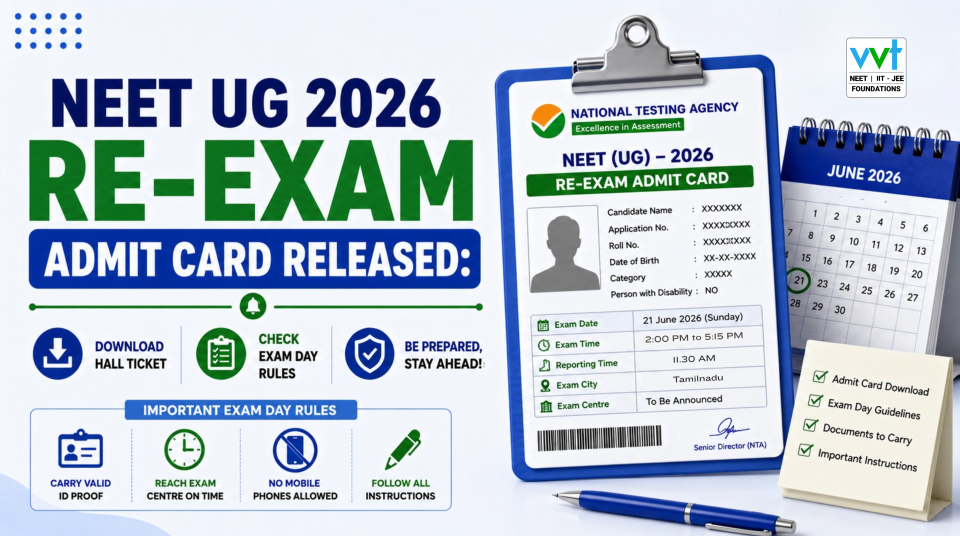
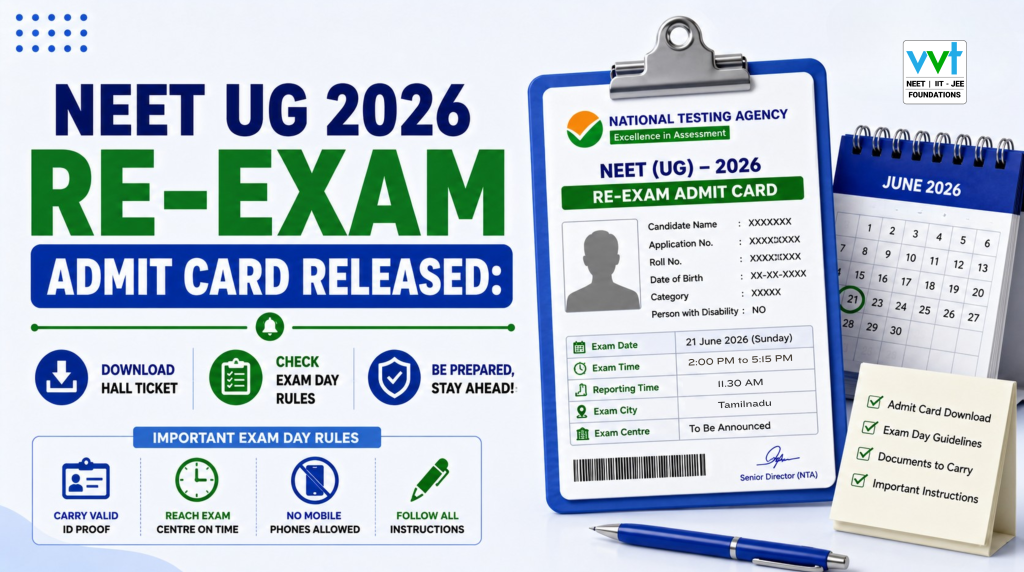
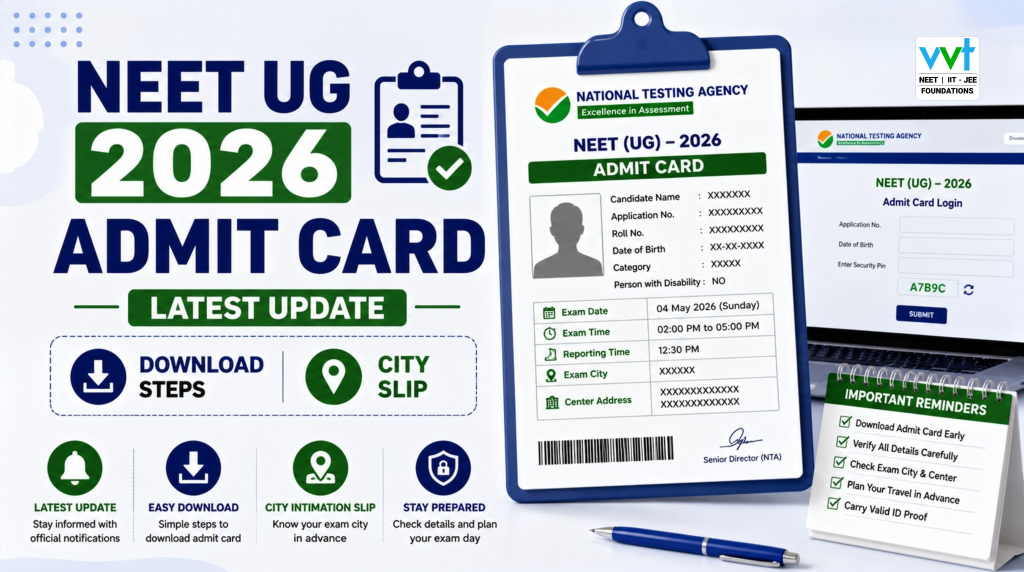
- The June 21 Timeline is Ironclad: The examination will run precisely from 2:00 PM to 5:15 PM. Because the NTA is under intense scrutiny, biometric check ins, security frisking, and center formalities will be exceptionally rigorous. Factor in these operational delays and train your body to peak in cognitive focus during these exact afternoon hours.
Should Students Worry About Paper Security This Time?
It is natural for parents and repeaters to feel anxious about fairness after everything that has transpired. However, the NTA has deployed stringent new security protocols for this re-test. These measures include comprehensive CCTV forensic monitoring at every center, double layered digital vault tracking for question distribution, and localized administrative overhauls to ensure the integrity of the process. Your only job is to maximize your raw score, the security perimeter is locked in.
What Should NEET 2026 Aspirants Do Now? Your Actionable Roadmap
The gap between a brilliant medical seat and a missed year comes down to your execution strategy over these remaining days. Do not let policy debates consume your study hours.
[Target: June 21 Re-Test]
├──► Step 1: Daily Offline Mocks (2:00 PM – 5:15 PM)
├──► Step 2: Physical OMR Bubble Filling Precision
└──► Step 3: Targeted Error Analysis
1.Shift from online mock tests to real OMR sheet practice
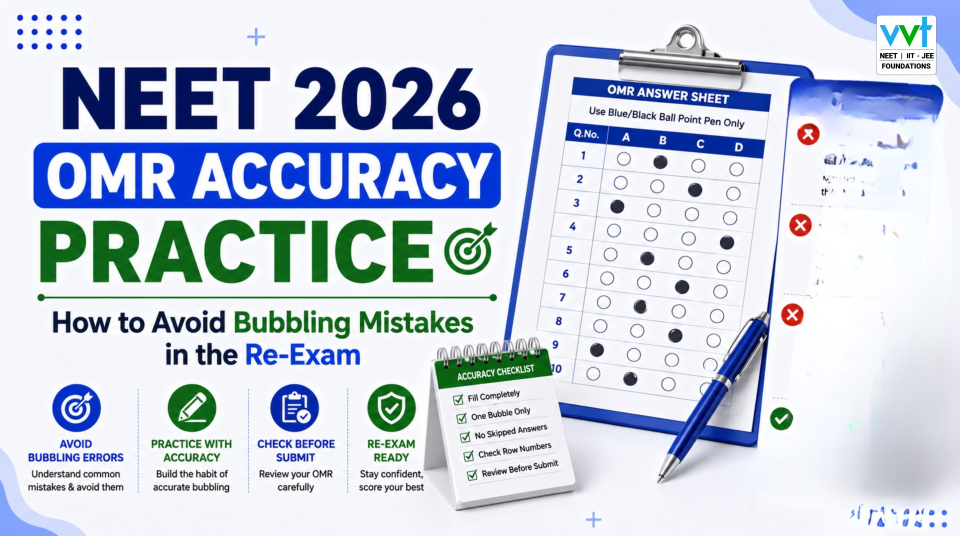
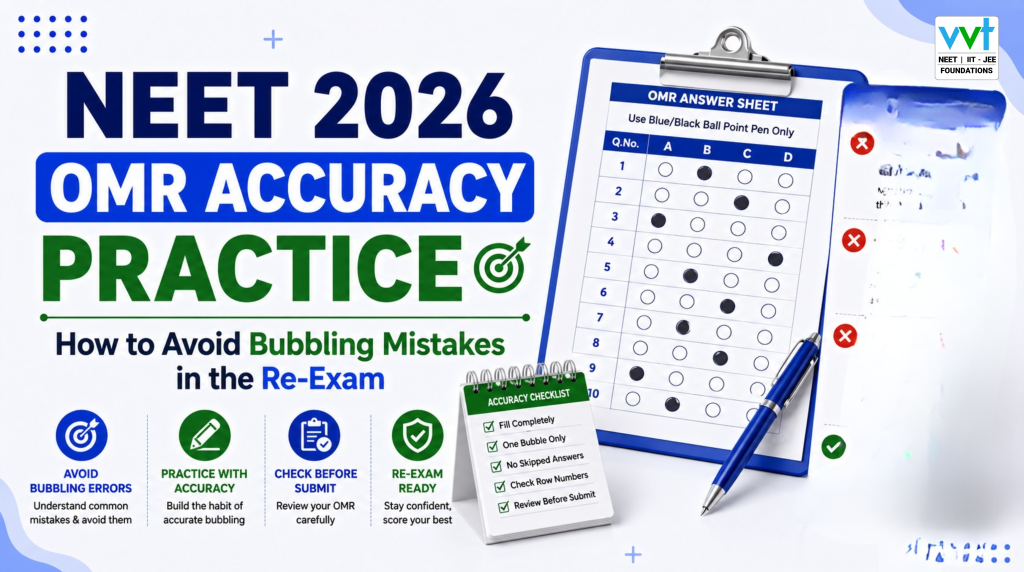
For an offline exam, speed isn’t just about how fast you think it’s about how fast and accurately you fill a 1.5mm bubble. Careless bubbling blunders cost valuable marks every single year. Print out official 200 question OMR sheets, place them on a flat desk, and practice shading under strict, timed conditions.
2. Master Time Allocation Metrics
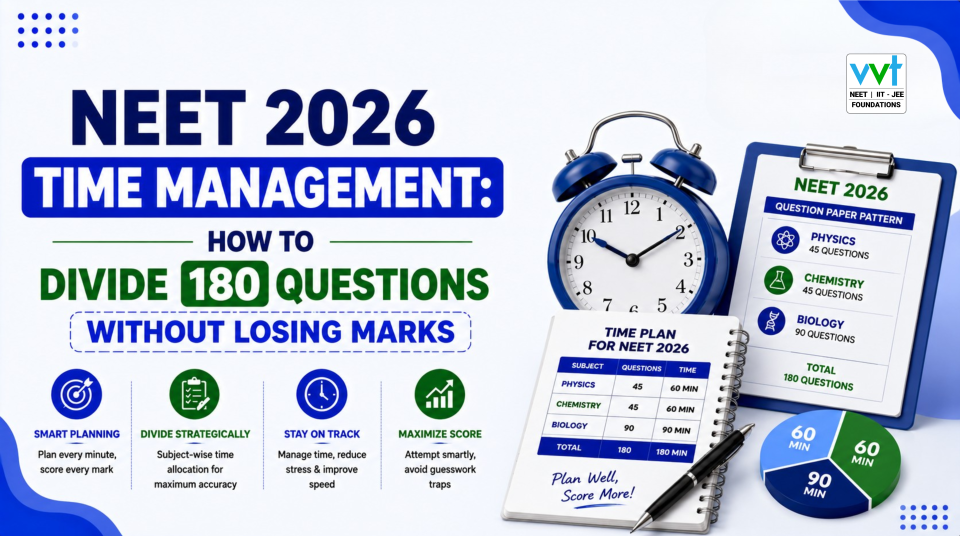
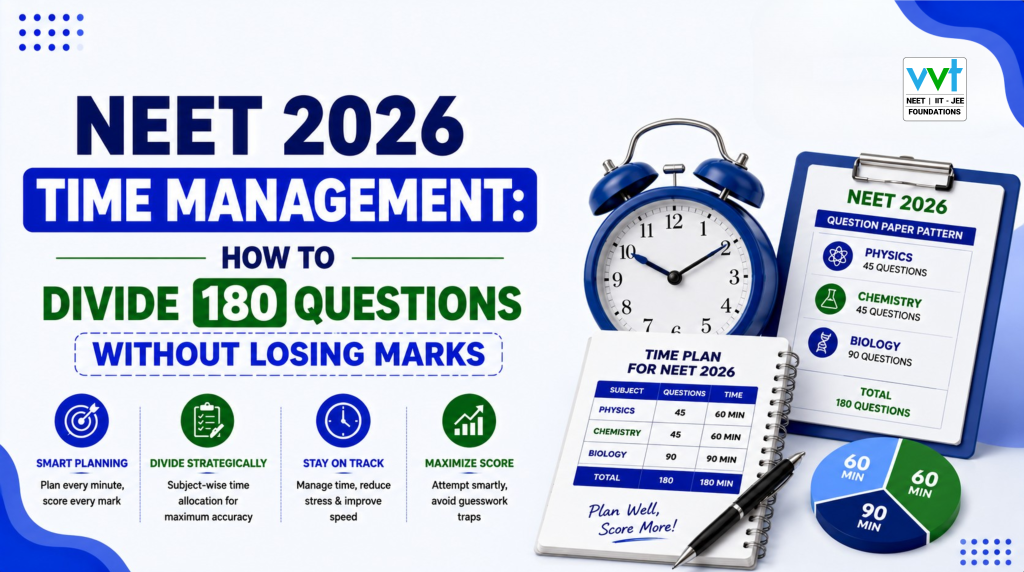
With 180 questions to answer out of 200 choices, divide your 195 minutes with clinical precision:
- Biology: 35–40 minutes maximum (direct NCERT recall).
- Chemistry: 45–50 minutes (balancing physical calculations and organic reactions).
- Physics: 60–70 minutes (core formula application and heavy numeric derivation).
- Buffer/OMR Shading Margin: 35 minutes woven systematically throughout the paper.

Also read: NEET 2026 Re-Exam Preparation Plan: How to Use the Extra Time Wisely
Common Mistakes Students Make After High Pressure Court Updates
- Falling into the Social Media Rabbit Hole: Spending hours on YouTube channels or Telegram groups analyzing legal jargon or speculating on future changes will only cause mental fatigue.
- Changing Core Prep Materials: This is not the time to buy new reference books. Stick firmly to your highlighted NCERT textbooks, your personal mistake logs, and your trusted institute notes.
- Ignoring Physical Stamina: Because the exam takes place during the hot afternoon hours (2:00 PM – 5:15 PM), sitting mock exams with your fan or AC adjusted to match typical institutional center guidelines trains your brain to beat afternoon lethargy.
How VVT Coaching Helps Students Prepare for the Pen and Paper NEET Re Test
After the Supreme Court refused the plea to conduct the NEET UG 2026 re-test in CBT mode, students should now stop worrying about exam mode changes and focus on what matters most, preparing properly for the pen and paper re-test.
At VVT Coaching Chennai, we guide students with one clear message:
Do not let the CBT discussion disturb your preparation. Train for the exam format you are going to face.
Error Exams — Fix mistakes before they repeat in the re-test
After the CBT mode decision, students should not waste time preparing for a different format. They should focus on the mistakes that can still reduce marks in the pen and paper re-test.
VVT’s Error Exams help students work on:
- questions they got wrong or skipped earlier
- repeated Physics, Chemistry, and Biology trap patterns
- careless errors caused by pressure
- weak question types that may return in the re-test
- short attempt → analysis → re-attempt cycles
Result: students stop repeating the same mistakes and enter the re-test with better control over the exact areas that were reducing their score.
AI-Powered Mock Tests — Prepare for real paper timing and OMR discipline
Since the NEET UG 2026 re-test will continue in pen and paper mode, students must practise like the real exam. That means full length mocks, proper time control, smart question selection, and careful OMR bubbling.
VVT’s AI-powered mock tests help students understand:
- Topic wise and section wise accuracy
- time spent per question
- where overthinking is happening
- where careless errors are costing marks
- whether stamina drops in the later part of the paper
- which subject is disturbing overall time balance
This is especially important because OMR based exams require more than just solving answers. Students must also mark carefully, avoid last-minute bubbling panic, and maintain accuracy until the final minute.
Result: students learn how to manage the paper better instead of only focusing on raw marks.
Personalised Guidance — Help students avoid mode-change confusion
The CBT discussion can confuse students. Students may wonder whether they should practise online tests. Others may worry that the paper pattern will change. Instead of revising, a few may waste time reading every update.
At VVT, mentors help students:
- follow only official NEET updates
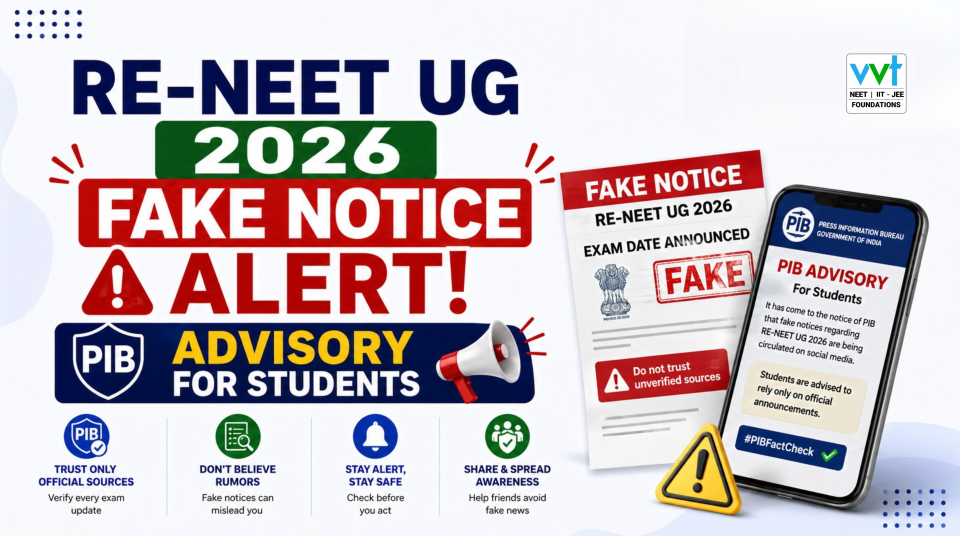
- avoid rumours about exam mode and pattern
- continue preparation for the pen-and-paper format
- practise OMR bubbling properly
- build a stable re-test routine
- stay calm even after major news updates
Result: students do not lose rhythm because of uncertainty. They stay focused on what they can control.
Remedy Classes — Fix small gaps before the June 21 re-test
The Supreme Court’s decision does not change the most important preparation needed, students still have to improve accuracy before the re-test.
In the final phase, students do not need to restart everything from zero. They need targeted repair.
VVT’s Remedy Classes focus on:
- repeated formula slips
- confusing similar concepts
- weak microtopics
- Chapter specific traps
- poor question judgment under pressure
- OMR related carelessness and answer changing habits
These sessions are short, focused, and based on actual student performance.
Result: students close the small gaps that can make a real difference in the re-test score.
handled.

Get to Know VVT’s Three Friendly Campuses: Always Nearby and Welcoming
VVT has three spots across Chennai, each easy to reach and full of support. No matter where you live, one is close by. Our campuses mix bright classrooms, helpful teachers, and a warm feel to keep you going. Here’s a quick look at each, with a focus on how they help with NEET and staying options.
Adyar Campus: Easy Access and Positive Vibes
Right on busy L.B. Road next to Adyar Ananda Bhavan, this spot is super convenient. Step inside, and you’ll see big, airy rooms where learning feels fun. Staff greet you with smiles, and the energy pushes you to turn weak areas like tough Physics problems into strengths.We also offer hostel facilities here for boys, with clean rooms, meals, and support to make your stay comfortable and focused. No distractions, just a safe place to rest and review after classes.
Adyar Campus (VVT Coaching Centre): “Nibav Buildings”, 4th & 5th Floor, No.23, Old No.11, L.B. Road, Adyar, Chennai – 600020. (Next to Adyar Ananda Bhavan)
Get Directions: Open in google maps!
Anna Nagar Campus: Focus in the City Centre
In Shanthi Colony, Anna Nagar, this campus feels like an extension of home. Good bus links make it simple for city kids. There is no on-site hostel, but nearby options are plentiful for those who need them.
Anna Nagar Campus (VVT Coaching Centre): No.1621, 9th Main Road, Shanthi Colony, Block AI, Anna Nagar, Chennai – 600040.
Get Directions: Open in google maps!
Pallikaranai Girls Campus: Your Safe Place with Full Hostel
This is our special girls-only residential campus in a quiet area. It’s built as a true home away from home, with clean dorms, healthy meals in the canteen, and round-the-clock help.
We offer full hostel facilities here, clean rooms, study areas, and a community of girls supporting each other. It’s perfect if you’re from outside Chennai or just want a focused, safe space.
Pallikaranai (Saraswathi Girls Residential Campus): Plot No. 395 & 396, 1st Main Road, Kamakoti Nagar, Pallikaranai, Chennai – 600100.
Get Directions: Open in google maps
Conclusion
The Supreme Court’s refusal to allow CBT mode for the NEET UG 2026 re-test is a gift of total certainty. The format will not alter, the expectations have not shifted. Success on June 21 belongs entirely to the aspirants who can quiet the external noise, pick up their pens, and master their execution on paper.
VVT Coaching Centre stands shoulder to shoulder with families across Tamil Nadu through every twist and turn of this competitive landscape. Keep your mindset steady, rely on your preparation, and turn this re-test into your ultimate merit validation.
Visit: vvtcoaching.com
Call: +91 81221 22333
Scholarships: Up to 100% via VVTSAT!
Also read: How VVT Coaching Uses AI to Identify and Solve Your NEET Preparation Struggles
Also read: Best Way to Attempt NEET Paper in 2026: Time Management and Smart Strategy
FAQs
1. Did the Supreme Court approve CBT mode for the June 21 NEET re-test?
No. The Supreme Court vacation bench explicitly rejected the petition requesting an online shift, ruling that the June 21, 2026 re-test will proceed entirely via the offline, pen and paper OMR method.
2. When will NTA implement online computer based testing for NEET?
According to official insights from NTA’s judicial responses, a transition toward a Computer Based Test framework is being structured for future evaluation timelines, targeting implementation from the 2027 academic cycle onwards.
3. What are the official timings and parameters for the June 21 re-test?
The re-examination will take place on June 21, 2026, from 2:00 PM to 5:15 PM IST. All classical rules, marking structures (-1 for incorrect answers, +4 for correct ones), and syllabus blueprints remain completely unaltered.
4. Should my child continue taking online computer mock tests?
No. Because the upcoming re-test is entirely offline, practicing on digital screens can warp time perception and coordination. Students should practice almost exclusively using printed question papers and physical OMR sheet sets.